Unlocking the Power of APIs: A Comprehensive Guide
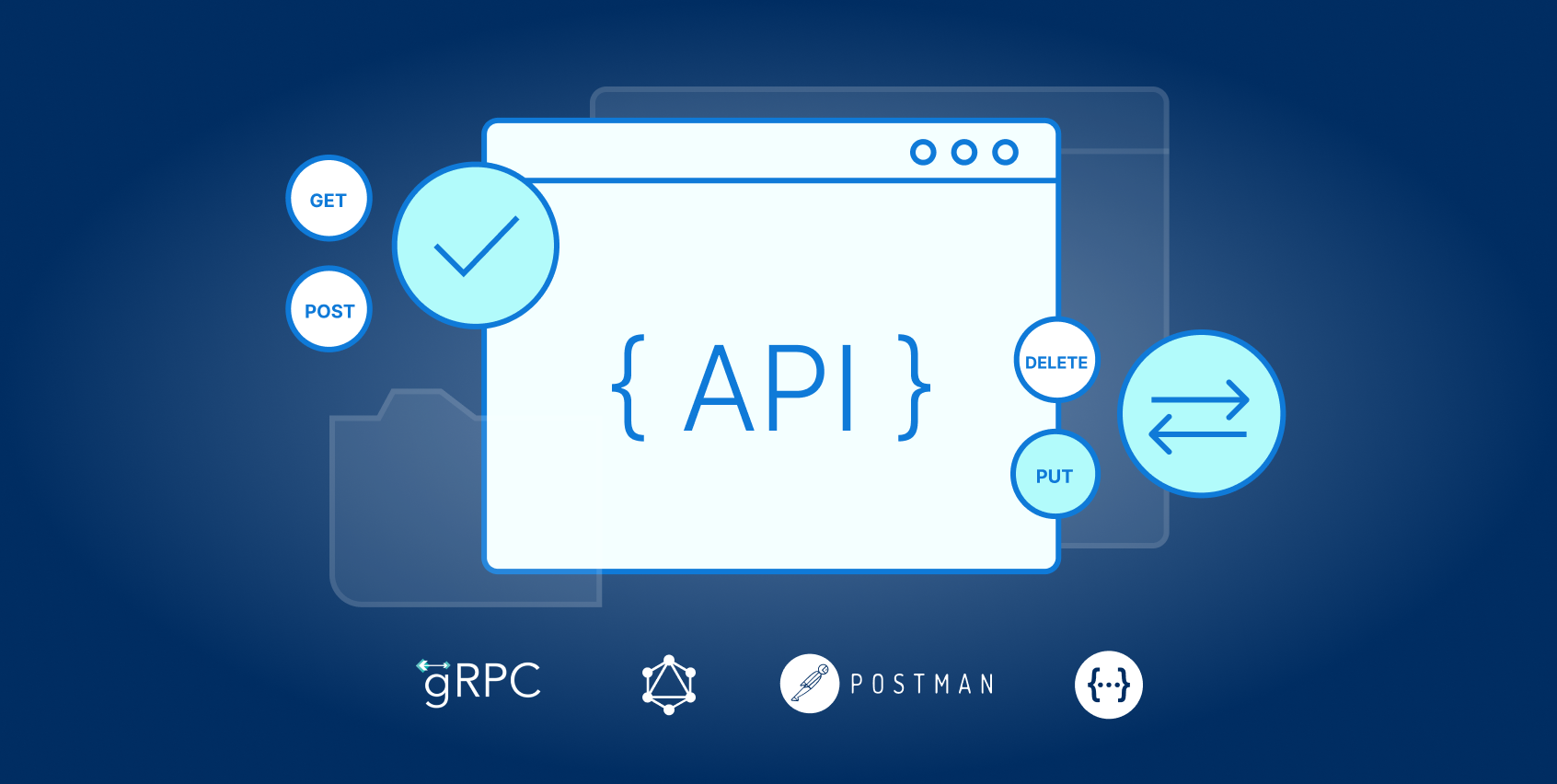 Imagine a world where different software applications can seamlessly communicate with each other, sharing data and functionality to create a unified and streamlined user experience. Welcome to the world of Application Programming Interfaces (APIs), the unsung heroes of software development.
What are APIs?
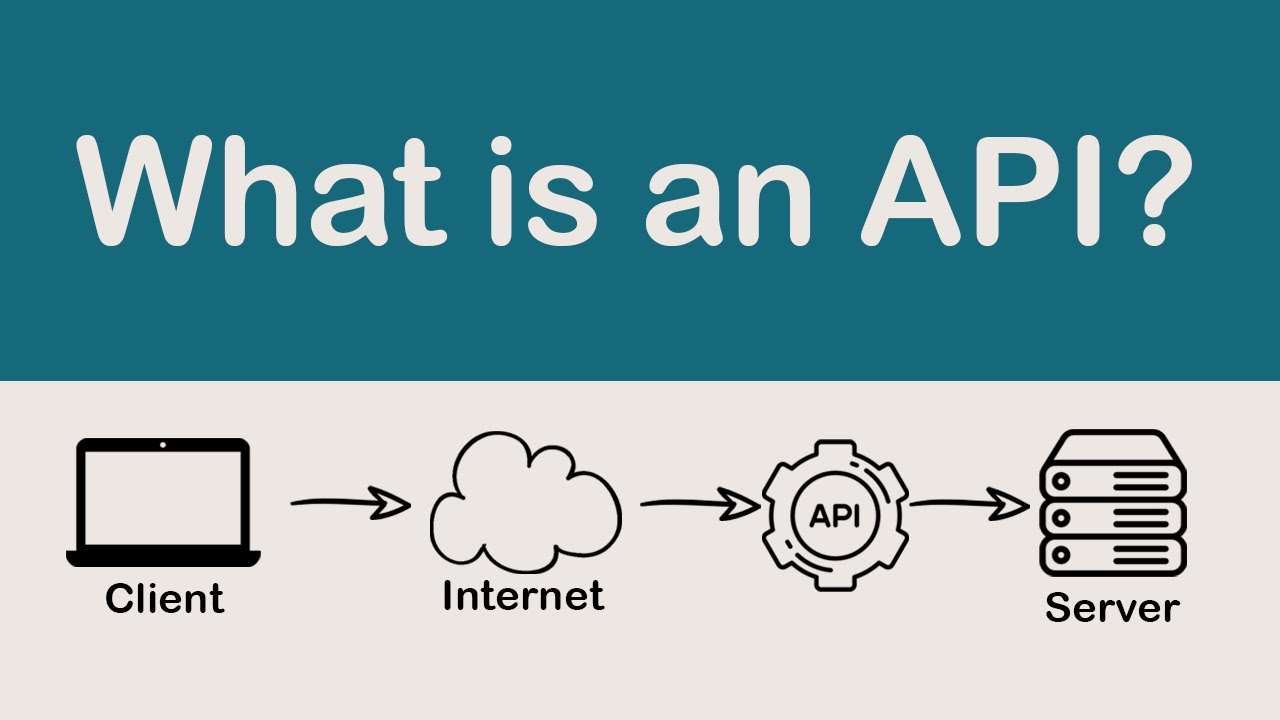
APIs are a set of rules and protocols that enable different software applications to communicate with each other. They act as an intermediary between different systems, allowing them to exchange data and functionality in a structured and standardized way.

Think of an API as a restaurant waiter. You, the customer, can't just walk into the kitchen and start making your own food. Instead, you give your order to the waiter, who takes it to the kitchen staff. They then prepare your food according to your order, and the waiter brings it back to you. In this scenario, the waiter is the API, acting as an intermediary between you (the customer) and the kitchen staff (the system).
Types of APIs
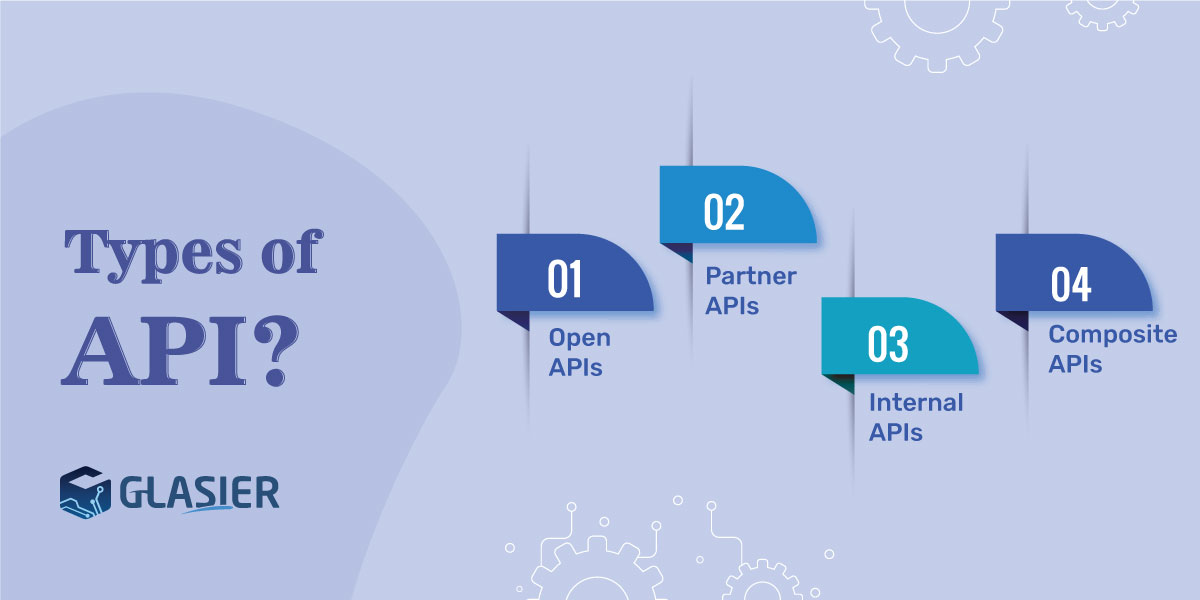 There are several types of APIs, each with its own unique characteristics and use cases.
RESTful APIs: REST (Representational State of Resource) is an architectural style for designing APIs. RESTful APIs are based on the idea of resources, which are identified by URIs, and can be manipulated using a fixed set of operations.
SOAP APIs: SOAP (Simple Object Access Protocol) is a protocol for exchanging structured information in the implementation of web services. SOAP APIs are typically used in enterprise environments and are known for their complexity and verbosity.
GraphQL APIs: GraphQL is a query language for APIs that allows for more flexible and efficient data retrieval. GraphQL APIs are designed to reduce the amount of data transferred over the network and improve performance.
Benefits of APIs
APIs offer a wide range of benefits, including:

Integration: APIs enable different systems to communicate with each other, allowing for seamless integration and a unified user experience.
Innovation: APIs provide developers with access to a wide range of data and functionality, enabling them to build new and innovative applications.
Efficiency: APIs automate many tasks, reducing the need for manual intervention and improving efficiency.
Scalability: APIs enable businesses to scale their operations, providing access to a wide range of data and functionality.
APIs are the key to unlocking the full potential of software applications. By providing a standardized interface for data exchange and functionality, APIs enable developers to build innovative solutions that transform the way we live and work.
How to Harness the Power of APIs
To harness the power of APIs, developers need to understand the basics of API design and development. Here are some tips to get you started:
Start with a clear understanding of your requirements: Before building an API, it's essential to understand what you want to achieve. Identify your requirements and design your API accordingly.
Choose the right API type: With so many types of APIs available, it's essential to choose the right one for your needs. Consider factors such as data complexity, scalability, and security when selecting an API type.
Use API design tools: API design tools, such as Swagger and API Blueprint, can help you design and document your API.
Test and iterate: Testing and iteration are crucial to API development. Use tools such as Postman and API testing frameworks to test your API and iterate on feedback.
By following these tips and understanding the basics of APIs, developers can harness the power of APIs to drive innovation and transform the way we build and interact with software applications.
Unlocking the Power of APIs: A Comprehensive Guide